业务系统性能改造手册 · 执行提速
把逐条访问改成批量处理
将订单列表中的逐条查询和循环写入改成有边界的集合读取与 JDBC Batch,在减少数据库往返的同时明确批次大小、事务、结果对应、部分失败和恢复语义。
03-01 已经把一条订单查询内部的扫描、排序、返回字段和对象装配收窄。接口仍可能慢在另一处:列表先查一批订单,随后在循环里为每个订单查询明细;批量任务也可能逐条执行更新,每次都承担一次数据库往返。
举个简化场景。一页订单已经返回若干 orderId,代码却反复调用 findItems(orderId)。单条 SQL 的执行计划都很正常,入口请求仍会产生“列表一次 + 每个订单一次”的访问。问题不在某条 SQL 特别慢,而在固定开销被重复支付。
小编对批处理的判断是:它用更大的单次输入、事务和内存占用,换取更少的往返。一次塞入全部数据不叫完成改造;输入边界、结果对应和失败恢复没有写清楚,往返成本只是换成了超长 SQL、锁等待或不可恢复的大事务。
一、先证明逐条访问发生在哪里
N+1 不只出现在 ORM 懒加载。循环里的 Mapper 调用、逐条 RPC 后再查库、保存方法内部隐含的查询,以及业务校验中的重复读取,都可能制造相同形状。
先在一次逻辑操作内连接入口、SQL 和业务键:
1rowByRowCandidate:
2  operation: ${ENDPOINT_JOB_OR_COMMAND}
3  experimentId: ${EXPERIMENT_ID}
4  inputItems: ${COUNT}
5  sqlExecutions:
6    parentQuery: ${COUNT}
7    repeatedQuery: ${COUNT}
8    repeatedUpdate: ${COUNT}
9  repeatedShape:
10    queryId: ${NORMALIZED_SQL_OR_MAPPER_ID}
11    codeLocation: ${FILE_METHOD_OR_SPAN}
12    businessKey: ${ORDER_ITEM_OR_OTHER}
13  cost:
14    databaseRoundTrips: ${COUNT_OR_ESTABLISHED_EQUIVALENT}
15    rowsReturned: ${COUNT}
16    requestP95: ${DURATION}
17    requestP99: ${DURATION}
18    connectionHoldTime: ${DURATION_OR_UNKNOWN}
19  correctness:
20    missingItemBehavior: ${EMPTY_ERROR_OR_OTHER}
21    resultOrderContract: ${INPUT_ORDER_DATABASE_ORDER_OR_NONE}
22    transactionBoundary: ${DESCRIPTION}
inputItems 与重复 SQL 次数一起观察。两者随同一负载近似同步增长,才支持“逐条访问放大”的判断。某个循环内的 SQL 语义彼此不同,或者每次执行依赖上一条结果时,不能只凭代码长得像循环就合并。
本篇只处理单个业务动作内部的数据库往返。是否增加工作线程、扩大连接池或并行执行批次属于 03-03,这里保持串行且有界,避免用并发掩盖数据库容量。
二、集合读取要把对应关系补回来
 把
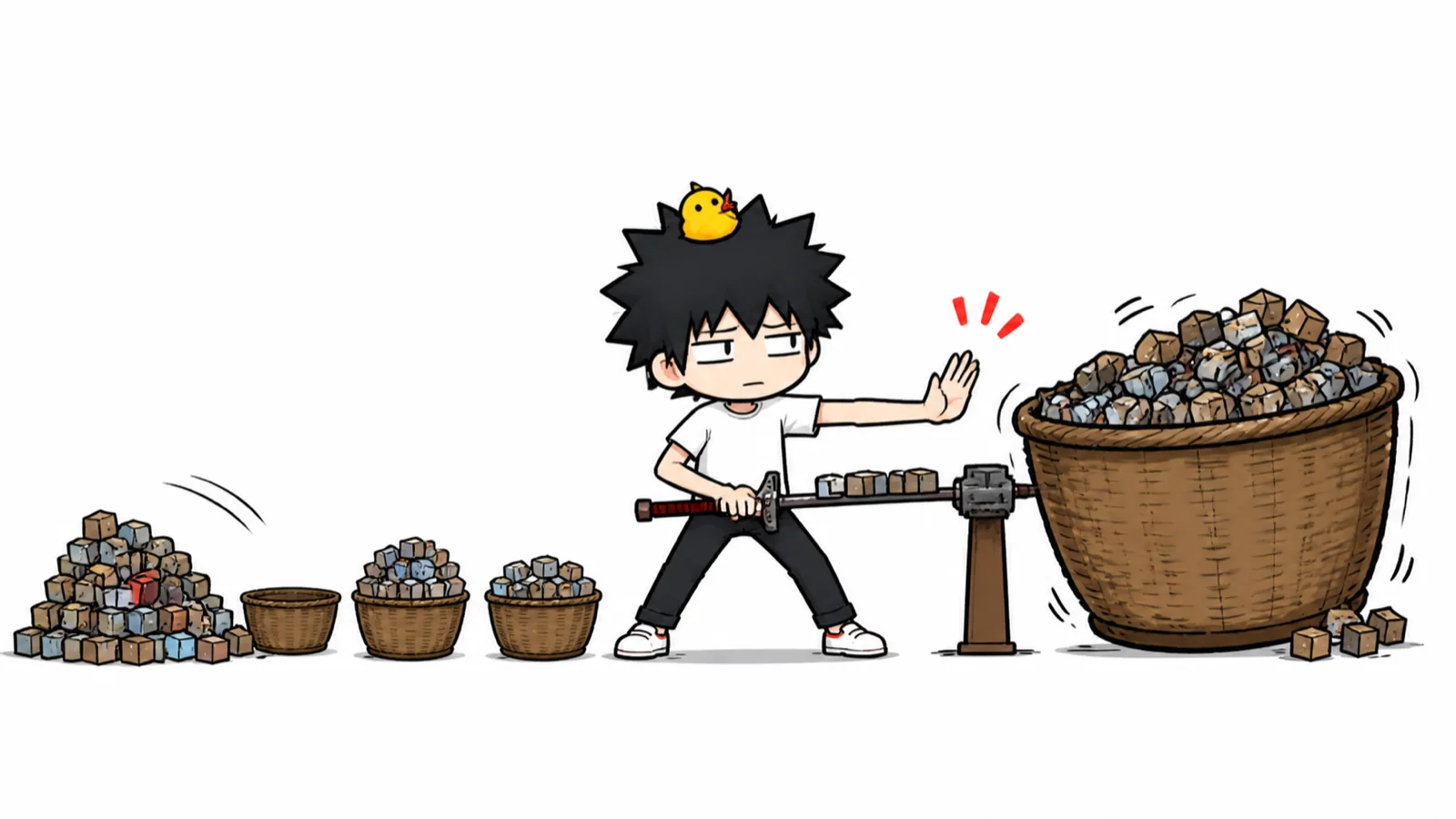
把 WHERE order_id = ? 改成 WHERE order_id IN (...) 只是第一步。批量结果不会自动按输入 ID 排列;某些订单没有明细时,结果集中也不会出现占位行;输入还可能为空、重复或超过驱动与数据库可接受的参数规模。
2.1 空集合不执行 SQL,缺失项返回明确空值
下面的标准 JDBC 示例让批量入口重新检查整组订单的读取权限,tenantId 仍来自可信 AccessScope,不能由请求参数替代。列名和类型用于说明批量边界,真实 schema、JDBC 驱动和参数上限尚未确定。
1import java.math.BigDecimal;
2import java.sql.Connection;
3import java.sql.PreparedStatement;
4import java.sql.ResultSet;
5import java.sql.SQLException;
6import java.util.ArrayList;
7import java.util.Collections;
8import java.util.LinkedHashMap;
9import java.util.LinkedHashSet;
10import java.util.List;
11import java.util.Map;
12import java.util.Set;
13import javax.sql.DataSource;
14
15record AccessScope(long tenantId) {}
16
17record OrderItemRow(
18        long itemId,
19        long orderId,
20        String sku,
21        int quantity,
22        BigDecimal unitPrice) {}
23
24interface OrderItemBatchAuthorizer {
25    void requireReadItems(AccessScope scope, List<Long> orderIds);
26}
27
28final class OrderItemBatchReader {
29    private final DataSource dataSource;
30    private final OrderItemBatchAuthorizer authorizer;
31    private final int maxReadBatchSize;
32
33    OrderItemBatchReader(
34            DataSource dataSource,
35            OrderItemBatchAuthorizer authorizer,
36            int maxReadBatchSize) {
37        if (maxReadBatchSize <= 0) {
38            throw new IllegalArgumentException("maxReadBatchSize must be positive");
39        }
40        this.dataSource = dataSource;
41        this.authorizer = authorizer;
42        this.maxReadBatchSize = maxReadBatchSize;
43    }
44
45    Map<Long, List<OrderItemRow>> findByOrderIds(
46            AccessScope scope,
47            List<Long> requestedOrderIds) throws SQLException {
48        List<Long> orderIds = normalizeIds(requestedOrderIds);
49        authorizer.requireReadItems(scope, orderIds);
50        Map<Long, List<OrderItemRow>> grouped = new LinkedHashMap<>();
51        for (Long orderId : orderIds) {
52            grouped.put(orderId, new ArrayList<>());
53        }
54        if (orderIds.isEmpty()) {
55            return immutableResult(grouped);
56        }
57
58        try (Connection connection = dataSource.getConnection()) {
59            for (int from = 0; from < orderIds.size(); from += maxReadBatchSize) {
60                int to = Math.min(from + maxReadBatchSize, orderIds.size());
61                readChunk(connection, scope, orderIds.subList(from, to), grouped);
62            }
63        }
64        return immutableResult(grouped);
65    }
66
67    static List<Long> normalizeIds(List<Long> requestedOrderIds) {
68        if (requestedOrderIds == null) {
69            throw new IllegalArgumentException("orderIds are required");
70        }
71        Set<Long> unique = new LinkedHashSet<>();
72        for (Long orderId : requestedOrderIds) {
73            if (orderId == null || orderId <= 0) {
74                throw new IllegalArgumentException("orderId must be positive");
75            }
76            unique.add(orderId);
77        }
78        return List.copyOf(unique);
79    }
80
81    private void readChunk(
82            Connection connection,
83            AccessScope scope,
84            List<Long> orderIds,
85            Map<Long, List<OrderItemRow>> grouped) throws SQLException {
86        String placeholders = String.join(",", Collections.nCopies(orderIds.size(), "?"));
87        String sql = """
88                SELECT id, order_id, sku, quantity, unit_price
89                FROM order_items
90                WHERE tenant_id = ?
91                  AND order_id IN (%s)
92                ORDER BY order_id, id
93                """.formatted(placeholders);
94
95        try (PreparedStatement statement = connection.prepareStatement(sql)) {
96            statement.setLong(1, scope.tenantId());
97            for (int i = 0; i < orderIds.size(); i++) {
98                statement.setLong(i + 2, orderIds.get(i));
99            }
100            try (ResultSet resultSet = statement.executeQuery()) {
101                while (resultSet.next()) {
102                    long orderId = resultSet.getLong("order_id");
103                    List<OrderItemRow> rows = grouped.get(orderId);
104                    if (rows == null) {
105                        throw new SQLException("database returned an unrequested orderId");
106                    }
107                    rows.add(new OrderItemRow(
108                            resultSet.getLong("id"),
109                            orderId,
110                            resultSet.getString("sku"),
111                            resultSet.getInt("quantity"),
112                            resultSet.getBigDecimal("unit_price")));
113                }
114            }
115        }
116    }
117
118    private Map<Long, List<OrderItemRow>> immutableResult(
119            Map<Long, List<OrderItemRow>> grouped) {
120        Map<Long, List<OrderItemRow>> result = new LinkedHashMap<>();
121        grouped.forEach((orderId, rows) -> result.put(orderId, List.copyOf(rows)));
122        return Collections.unmodifiableMap(result);
123    }
124}
输入先去重并保留首次出现顺序。返回 Map 预先为每个订单建立空列表,因此“订单存在但没有明细”不会与“批量代码忘了处理该 ID”混在一起;Map 的键顺序遵循输入,单个订单内的明细顺序由 SQL 的 ORDER BY order_id, id 明确规定。调用方若需要保留重复 ID,应该在这一层结果之上按原输入重新展开,不能指望数据库返回重复分组。
空集合直接返回,不拼出 IN ()。读取按 maxReadBatchSize 分段,参数上限、SQL 文本长度、结果集大小和内存峰值都因此有了调节入口。这个值不是通用常量,要结合目标驱动、MySQL 版本、每个订单的明细分布和压测结果确定。
2.2 大结果不要先全部攒进内存
示例适用于 03-01 中已经限制页大小的订单列表。若批量任务输入远大于一页,Map<Long, List<...>> 会一直保留全部明细,此时即使 SQL 分段,应用内存仍可能随总输入增长。
更大的任务应让上游按稳定业务游标产生一批 ID,完成“读取—处理—释放”后再取下一批。这里的批次同时约束 IN 参数和结果对象存活范围。不要先把全部 ID 与全部结果装进两个集合,再宣称自己做了分批。
三、批量写入先定义事务和失败语义
逐条 executeUpdate() 改成 addBatch() 与 executeBatch() 可以减少往返,但 JDBC 没有承诺“某一条失败后所有驱动都立即停止”。驱动可能停止,也可能继续处理;BatchUpdateException 的更新计数顺序对应加入批次的顺序,值可能是实际行数、SUCCESS_NO_INFO 或 EXECUTE_FAILED。Java SE 21 BatchUpdateException
下面的示例处理一个本地事务内的订单状态更新。它使用 tenant_id + id + expected_version 做乐观校验,每个命令应更新恰好一行;任何 0、大于 1、SUCCESS_NO_INFO 或 EXECUTE_FAILED 都视为无法证明整批正确,当前事务回滚。代码不适用于由 Spring/JTA 管理的外部事务,那种场景应由事务管理器负责提交与回滚。
1import java.sql.BatchUpdateException;
2import java.sql.Connection;
3import java.sql.PreparedStatement;
4import java.sql.SQLException;
5import java.sql.Timestamp;
6import java.time.Instant;
7import java.util.HashSet;
8import java.util.List;
9import java.util.Set;
10import javax.sql.DataSource;
11
12record AccessScope(long tenantId) {}
13
14record StatusChange(
15        long orderId,
16        long expectedVersion,
17        String nextStatus,
18        Instant changedAt) {}
19
20interface OrderStatusBatchAuthorizer {
21    void requireStatusChanges(AccessScope scope, List<StatusChange> changes);
22}
23
24enum WriteOutcome {
25    ROLLED_BACK,
26    UNKNOWN
27}
28
29final class BatchWriteException extends SQLException {
30    private final WriteOutcome outcome;
31
32    BatchWriteException(String message, WriteOutcome outcome, Throwable cause) {
33        super(message, cause);
34        this.outcome = outcome;
35    }
36
37    WriteOutcome outcome() {
38        return outcome;
39    }
40}
41
42final class OrderStatusBatchWriter {
43    private static final String UPDATE_SQL = """
44            UPDATE orders
45            SET status = ?, version = version + 1, updated_at = ?
46            WHERE tenant_id = ? AND id = ? AND version = ?
47            """;
48
49    private final DataSource dataSource;
50    private final OrderStatusBatchAuthorizer authorizer;
51    private final int maxWriteBatchSize;
52
53    OrderStatusBatchWriter(
54            DataSource dataSource,
55            OrderStatusBatchAuthorizer authorizer,
56            int maxWriteBatchSize) {
57        if (maxWriteBatchSize <= 0) {
58            throw new IllegalArgumentException("maxWriteBatchSize must be positive");
59        }
60        this.dataSource = dataSource;
61        this.authorizer = authorizer;
62        this.maxWriteBatchSize = maxWriteBatchSize;
63    }
64
65    int updateOneChunk(AccessScope scope, List<StatusChange> changes)
66            throws SQLException {
67        validate(changes);
68        authorizer.requireStatusChanges(scope, changes);
69        if (changes.isEmpty()) {
70            return 0;
71        }
72
73        try (Connection connection = dataSource.getConnection()) {
74            boolean originalAutoCommit = connection.getAutoCommit();
75            if (!originalAutoCommit) {
76                throw new SQLException("example requires a locally managed connection");
77            }
78            connection.setAutoCommit(false);
79            boolean transactionEnded = false;
80            try {
81                int[] counts = executeBatch(connection, scope, changes);
82                requireExactlyOneRowPerChange(counts, changes.size());
83                try {
84                    connection.commit();
85                } catch (SQLException commitFailure) {
86                    throw new BatchWriteException(
87                            "commit outcome requires reconciliation",
88                            WriteOutcome.UNKNOWN,
89                            commitFailure);
90                }
91                transactionEnded = true;
92                return changes.size();
93            } catch (BatchWriteException knownFailure) {
94                if (knownFailure.outcome() == WriteOutcome.UNKNOWN) {
95                    throw knownFailure;
96                }
97                rollbackOrThrowUnknown(connection, knownFailure);
98                transactionEnded = true;
99                throw knownFailure;
100            } catch (SQLException | RuntimeException failure) {
101                rollbackOrThrowUnknown(connection, failure);
102                transactionEnded = true;
103                throw new BatchWriteException(
104                        "batch rolled back",
105                        WriteOutcome.ROLLED_BACK,
106                        failure);
107            } finally {
108                if (transactionEnded) {
109                    try {
110                        connection.setAutoCommit(originalAutoCommit);
111                    } catch (SQLException restoreFailure) {
112                        // 事务已结束;连接关闭时由池适配层重置或丢弃。
113                    }
114                }
115            }
116        }
117    }
118
119    private int[] executeBatch(
120            Connection connection,
121            AccessScope scope,
122            List<StatusChange> changes) throws SQLException {
123        try (PreparedStatement statement = connection.prepareStatement(UPDATE_SQL)) {
124            for (StatusChange change : changes) {
125                statement.setString(1, change.nextStatus());
126                statement.setTimestamp(2, Timestamp.from(change.changedAt()));
127                statement.setLong(3, scope.tenantId());
128                statement.setLong(4, change.orderId());
129                statement.setLong(5, change.expectedVersion());
130                statement.addBatch();
131            }
132            try {
133                return statement.executeBatch();
134            } catch (BatchUpdateException partialFailure) {
135                throw new BatchWriteException(
136                        "driver reported partial batch execution",
137                        WriteOutcome.ROLLED_BACK,
138                        partialFailure);
139            }
140        }
141    }
142
143    static void requireExactlyOneRowPerChange(int[] counts, int expectedSize)
144            throws BatchWriteException {
145        if (counts.length != expectedSize) {
146            throw new BatchWriteException(
147                    "batch result length is ambiguous",
148                    WriteOutcome.ROLLED_BACK,
149                    null);
150        }
151        for (int count : counts) {
152            if (count != 1) {
153                throw new BatchWriteException(
154                        "expected one changed row but got " + count,
155                        WriteOutcome.ROLLED_BACK,
156                        null);
157            }
158        }
159    }
160
161    private void validate(List<StatusChange> changes) {
162        if (changes == null || changes.size() > maxWriteBatchSize) {
163            throw new IllegalArgumentException("invalid write batch size");
164        }
165        Set<Long> seen = new HashSet<>();
166        for (StatusChange change : changes) {
167            if (change == null
168                    || change.orderId() <= 0
169                    || change.expectedVersion() < 0
170                    || change.nextStatus() == null
171                    || change.nextStatus().isBlank()
172                    || change.changedAt() == null
173                    || !seen.add(change.orderId())) {
174                throw new IllegalArgumentException("invalid or duplicate status change");
175            }
176        }
177    }
178
179    private void rollbackOrThrowUnknown(Connection connection, Throwable failure)
180            throws BatchWriteException {
181        try {
182            connection.rollback();
183        } catch (SQLException rollbackFailure) {
184            failure.addSuppressed(rollbackFailure);
185            throw new BatchWriteException(
186                    "rollback failed; outcome requires reconciliation",
187                    WriteOutcome.UNKNOWN,
188                    failure);
189        }
190    }
191}
SUCCESS_NO_INFO 表示命令成功但驱动没有给出影响行数;对于要求每条乐观更新恰好命中一行的业务,它仍然不足以证明版本校验成立,因此示例选择回滚。Oracle 的 JDBC API 也明确区分实际更新数、SUCCESS_NO_INFO 与 EXECUTE_FAILED。Java SE 21 Statement
提交异常和回滚异常被标成 UNKNOWN。这条路径也不会调用 setAutoCommit(true):JDBC 连接仍有未结束事务时,切回自动提交可能提交当前事务,反而改变不确定结果。连接关闭后的重置、销毁与告警需要由数据源适配层验证。调用方应按批次 ID、订单 ID 和期望版本查询最终状态后再决定补偿,不能看到异常就整批盲重试。当前示例依靠版本条件阻止同一版本重复更新;若写操作会产生扣款、发消息等额外副作用,还需要稳定操作 ID、唯一约束或业务状态机,不能把 JDBC Batch 当成幂等机制。
示例要求调用方先按 maxWriteBatchSize 切块,每块一个本地事务,并要求目标表使用能够兑现回滚语义的事务型存储引擎。批次越大,提交次数可能减少,但锁持有、日志量、失败回滚范围和连接占用也会扩大。跨批次不具备整体原子性:前一批提交、后一批失败时,恢复流程必须接受并记录这种状态,或者业务就不应采用分块提交。
四、批次大小只能从实验中选择
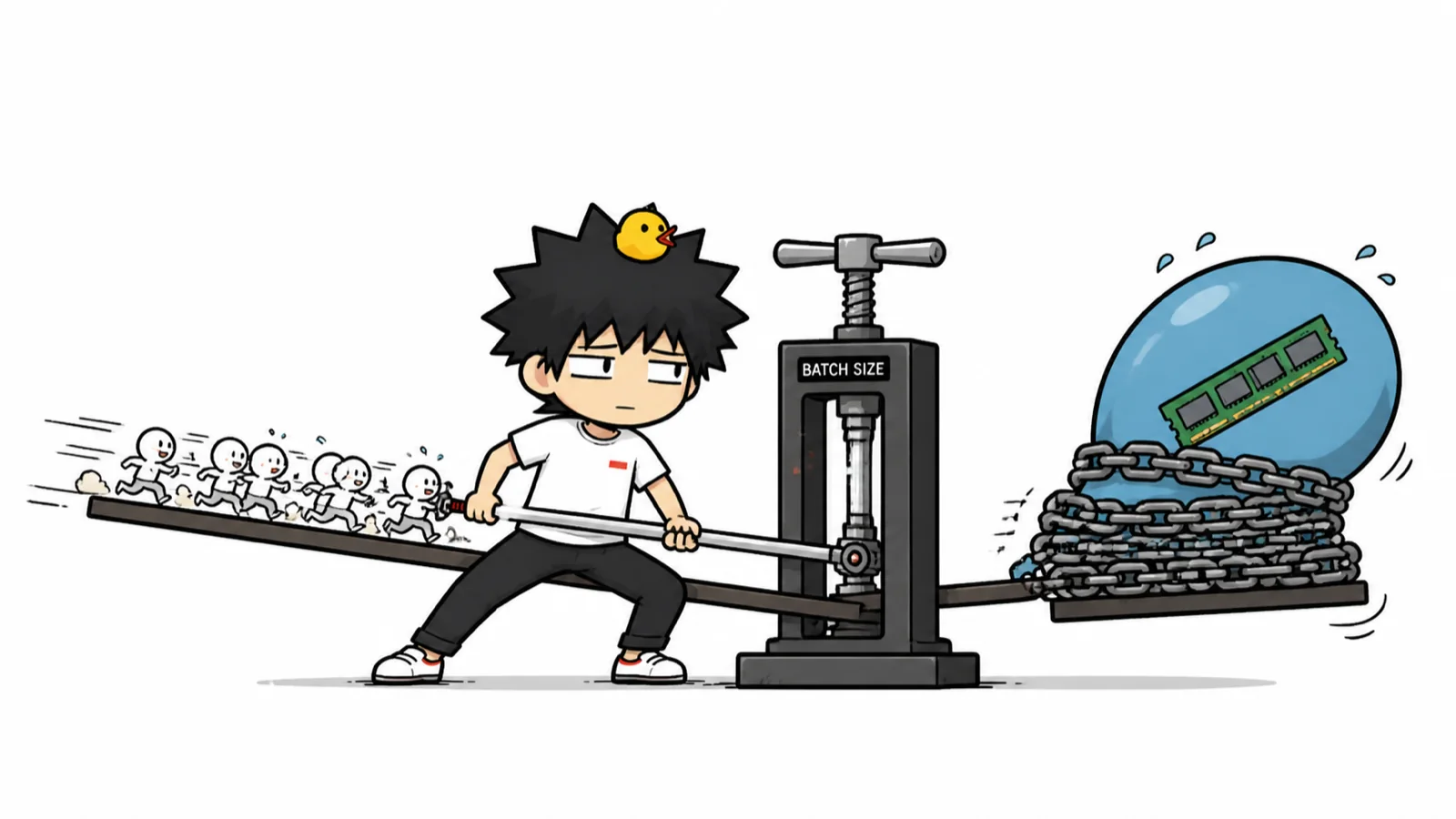 没有真实 schema、驱动配置、参数限制和数据分布,无法给出“每批多少条”的答案。读取和写入也不应共用一个数字:读取受 IN 参数、单行展开数量和结果内存影响;写入还受事务日志、锁竞争、驱动是否重写批次以及单条语句大小影响。
固定其余条件,分别测试多个候选批次,记录原始值而不是只报最快的一档:
1batchExperiment:
2  experimentId: ${EXPERIMENT_ID}
3  databaseAndDriver:
4    productVersion: ${DATABASE_VERSION}
5    jdbcDriverVersion: ${DRIVER_VERSION}
6    driverBatchOptions: ${OPTIONS}
7  workload:
8    operation: ${READ_ITEMS_OR_UPDATE_STATUS}
9    totalInputItems: ${COUNT}
10    distribution: ${ITEMS_PER_ORDER_OR_UPDATE_SHAPE}
11    batchSize: ${COUNT}
12    transactionPerBatch: ${TRUE_OR_FALSE_WITH_BOUNDARY}
13  result:
14    sqlExecutions: ${COUNT}
15    databaseRoundTrips: ${COUNT_OR_MEASURED_EQUIVALENT}
16    completedItems: ${COUNT}
17    throughput: ${VALUE}
18    requestP95: ${DURATION}
19    requestP99: ${DURATION}
20    connectionHoldTime: ${DURATION}
21    lockWait: ${DURATION_OR_UNKNOWN}
22    transactionLogEvidence: ${VALUE_OR_UNKNOWN}
23    applicationPeakMemory: ${BYTES_OR_UNKNOWN}
24    databaseCpuAndIo: ${REFERENCES}
25    terminalCounts: ${COUNTS}
26  failureInjection:
27    failedItemPosition: ${FIRST_MIDDLE_LAST_OR_NONE}
28    driverContinuedAfterFailure: ${TRUE_FALSE_OR_UNKNOWN}
29    committedChunks: ${COUNT}
30    rolledBackChunks: ${COUNT}
31    unknownOutcomeChunks: ${COUNT}
32    recoveryResult: ${REFERENCE}
33  decision:
34    selectedBatchSize: ${COUNT}
35    reason: ${MEASURED_TRADEOFF}
36    upperGuardrail: ${COUNT_AND_REASON}
37    rollbackTrigger: ${CONDITION}
吞吐提高但 P99、锁等待或内存峰值失控,不算可接受结果。驱动升级或批处理参数变化后也要重测;JDBC 只定义接口语义,是否合并网络包、是否改写为多值语句以及超时作用于单条还是整批,需要查看目标驱动文档并用实际调用证据确认。
五、恢复检查表要能回答“哪些已经生效”
批量改造上线前,至少把下面的检查项变成可执行测试或操作记录:
1batchRecoveryChecklist:
2  identity:
3    batchId: ${STABLE_ID}
4    inputSnapshot: ${ID_VERSION_OR_HASH_REFERENCE}
5  readPath:
6    emptyInputRunsNoSql: ${PASS_FAIL}
7    duplicateInputContract: ${PASS_FAIL}
8    missingRowsBecomeEmptyGroups: ${PASS_FAIL}
9    resultOrderMatchesContract: ${PASS_FAIL}
10    oversizedInputIsChunked: ${PASS_FAIL}
11  writePath:
12    duplicateIdsRejected: ${PASS_FAIL}
13    zeroRowOptimisticUpdateRejected: ${PASS_FAIL}
14    successNoInfoPolicyVerified: ${PASS_FAIL}
15    middleItemFailureInjected: ${PASS_FAIL}
16    rollbackVerified: ${PASS_FAIL}
17    commitFailureOutcomeReconciled: ${PASS_FAIL}
18  recovery:
19    committedChunksLocated: ${QUERY_OR_LOG_REFERENCE}
20    unknownChunksReconciled: ${QUERY_OR_LOG_REFERENCE}
21    retryPreconditionsChecked: ${PASS_FAIL}
22    compensationAudited: ${REFERENCE}
回退时先切回旧的数据访问实现,保留批次 ID、失败输入和已提交分块记录,直到不确定批次全部核对完成。不要因为旧代码恢复了就删除恢复证据;跨批次已提交的数据不会随代码开关自动回滚。
批量处理成立的证据很朴素:相同业务输入下,数据库往返与 SQL 执行次数减少,吞吐或延迟得到可重复改善,同时结果对应、事务边界、锁等待、内存和失败恢复仍符合约定。下一篇再基于这些已经测出的服务时间和连接占用,讨论线程池与连接池如何共享容量预算。