业务系统性能改造手册 · 请求减量
合并并发回源请求
在热点缓存失效时,用按缓存键隔离的单飞机制让并发请求共享一次数据库加载,并把等待超时、加载失败、取消和条目清理变成可测试的行为。
举个简化场景:一个热点订单的缓存刚好失效,二十个请求几乎同时到达。二十次 Redis 查询都返回 miss,随后二十个线程一起查数据库。缓存平时的命中率可能很好,数据库却仍会在这个短窗口承受尖峰。
02-02 已经处理了缓存对象、数据偏差和失效路径。本篇只补它留下的一个缺口:同一缓存键正在回源时,后来的请求复用这个进行中的结果。小编把这类机制理解为“合并同一时刻的重复工作”。它不延长 TTL,也不改变业务允许的数据偏差。
本文实现单个应用实例内的按键合并。多实例之间仍可能各自回源一次;分布式锁、集中刷新和跨实例协调不在本篇展开。
一、合并点放在 miss 之后、数据库之前
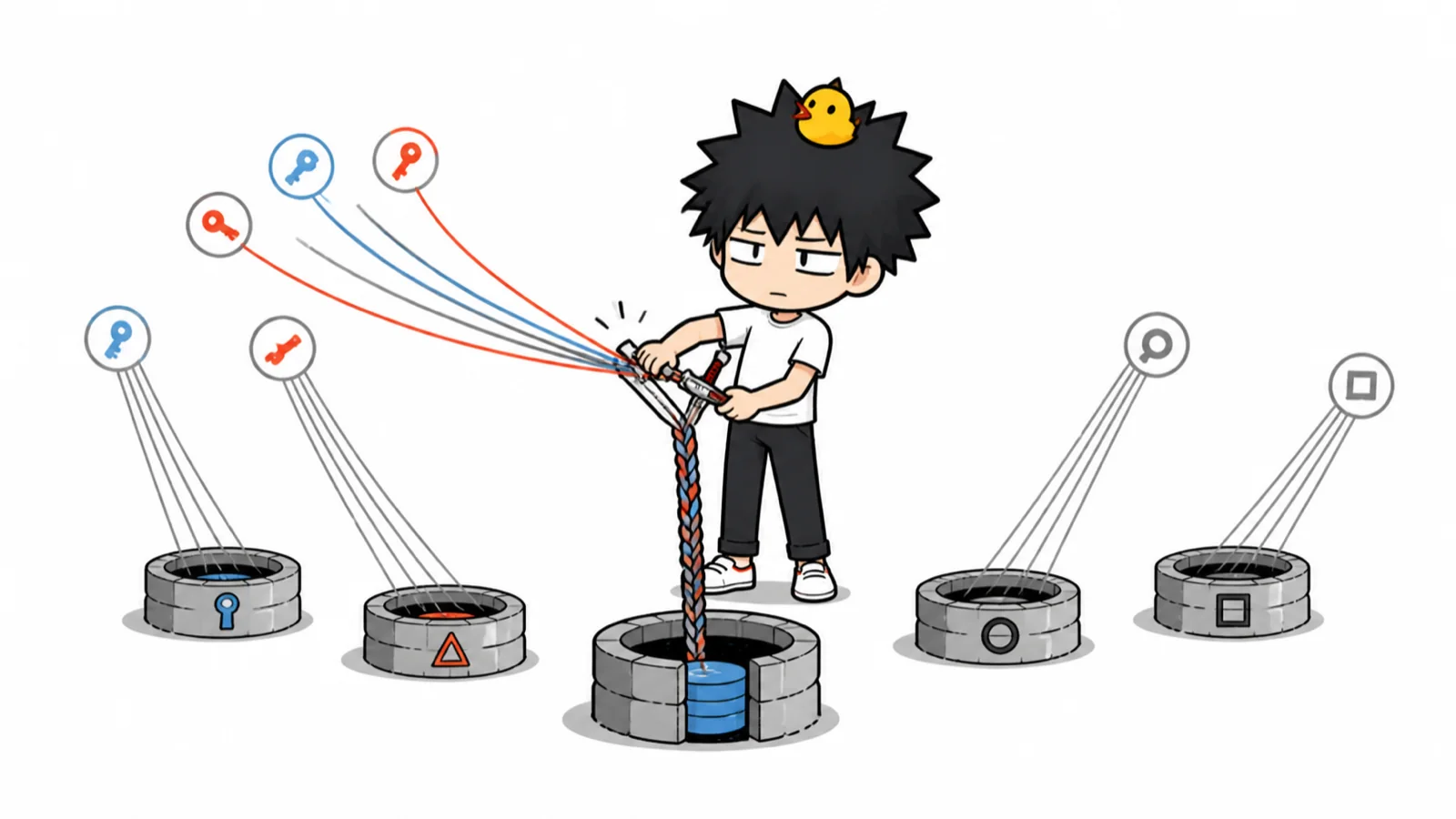 请求仍然先执行参数校验、从可信登录态取得
 AccessScope、完成订单级鉴权,再读取缓存。只有缓存未命中且允许回源时,才进入单飞协调器:
1请求
2  -> 校验与鉴权
3  -> 读取缓存
4       ├─ 命中:直接返回
5       └─ 未命中:按 cacheKey 进入 single-flight
6                    ├─ 首个请求:再次检查缓存 -> 查询数据库 -> 回填缓存
7                    └─ 跟随请求:等待同一个结果
合并键应直接复用 02-02 的缓存键,而不是只用 orderId。示例中的键包含结构版本、租户和 viewPolicyId,因此不同租户或字段可见策略不会共享载荷。每个调用方都要在进入协调器前独立鉴权;命名空间隔离不能替代授权。
首个请求成为加载者后还要再次读取缓存。原因很实际:多个线程在协调器外先后看到 miss,其中一个线程可能已经完成回填,另一个线程才拿到加载者资格。少这次检查,就会制造一次本可避免的数据库查询。
二、把超时和清理写进单飞实现
按键登记一个进行中的任务并不复杂,容易出错的是请求不再等待、加载失败或者任务迟迟不结束之后,谁负责完成结果和移除条目。
2.1 调用方等待和共享加载是两种超时
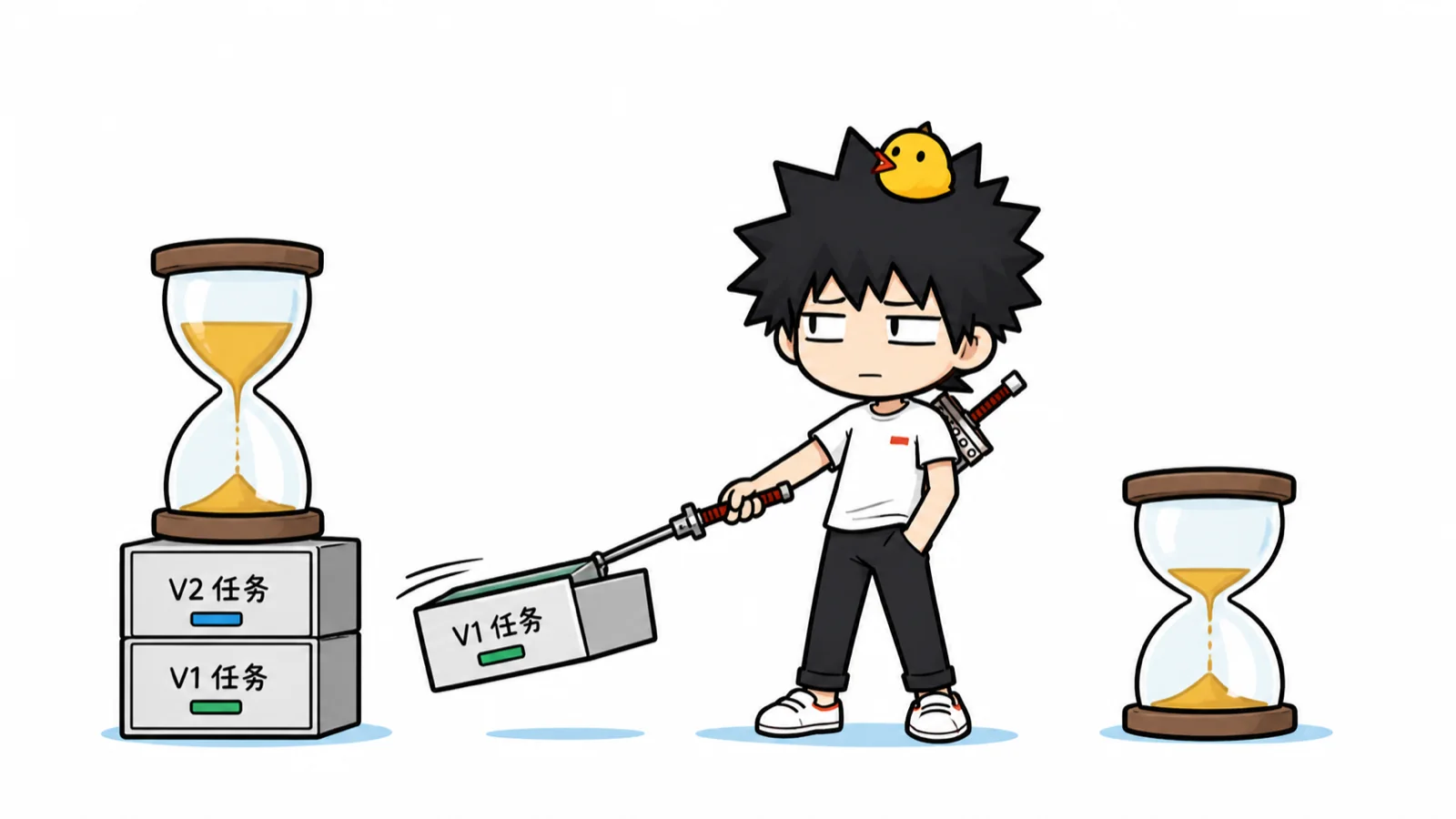 调用方等待上限和共享加载上限不是一回事。
waitTimeout约束当前请求愿意等待多久。某个跟随请求超时,只结束它自己的等待,不能调用cancel把其他请求仍在复用的任务取消。loadTimeout约束共享加载最多占用协调条目多久。超过该时间后,协调器让所有仍在等待的请求收到同一个加载超时,并用条件删除清理当前条目。
loadTimeout 不能代替 JDBC 查询超时。Java 线程中断对底层驱动只是尽力而为;数据库调用必须另有可验证的语句或事务超时,而且应早于协调器的硬超时。否则旧查询可能在后台继续运行,新请求又启动下一次回源。
2.2 用条件删除守住任务交接
下面是与缓存客户端无关的最小实现:
1import java.time.Duration;
2import java.util.Objects;
3import java.util.concurrent.Callable;
4import java.util.concurrent.CompletableFuture;
5import java.util.concurrent.ConcurrentHashMap;
6import java.util.concurrent.ExecutionException;
7import java.util.concurrent.Executor;
8import java.util.concurrent.FutureTask;
9import java.util.concurrent.ScheduledExecutorService;
10import java.util.concurrent.ScheduledFuture;
11import java.util.concurrent.TimeUnit;
12import java.util.concurrent.TimeoutException;
13import java.util.concurrent.atomic.AtomicReference;
14
15final class FlightWaitTimeoutException extends RuntimeException {
16    FlightWaitTimeoutException(Object key, Duration timeout) {
17        super("waited too long for key=" + key + ", timeout=" + timeout);
18    }
19}
20
21final class SharedLoadTimeoutException extends RuntimeException {
22    SharedLoadTimeoutException(Object key, Duration timeout) {
23        super("shared load timed out for key=" + key + ", timeout=" + timeout);
24    }
25}
26
27final class SharedLoadException extends RuntimeException {
28    SharedLoadException(Throwable cause) {
29        super(cause);
30    }
31}
32
33final class KeyedSingleFlight<K, V> {
34    private final ConcurrentHashMap<K, Flight<V>> inFlight = new ConcurrentHashMap<>();
35    private final Executor loaderExecutor;
36    private final ScheduledExecutorService scheduler;
37
38    KeyedSingleFlight(Executor loaderExecutor, ScheduledExecutorService scheduler) {
39        this.loaderExecutor = Objects.requireNonNull(loaderExecutor);
40        this.scheduler = Objects.requireNonNull(scheduler);
41    }
42
43    V execute(
44            K key,
45            Duration waitTimeout,
46            Duration loadTimeout,
47            Callable<V> loader) {
48        requirePositive(waitTimeout, "waitTimeout");
49        requirePositive(loadTimeout, "loadTimeout");
50        Objects.requireNonNull(key);
51        Objects.requireNonNull(loader);
52
53        Flight<V> candidate = new Flight<>();
54        Flight<V> existing = inFlight.putIfAbsent(key, candidate);
55        Flight<V> selected = existing == null ? candidate : existing;
56
57        if (existing == null) {
58            startLoader(key, candidate, loadTimeout, loader);
59        }
60        return await(key, selected.result, waitTimeout);
61    }
62
63    int inFlightCount() {
64        return inFlight.size();
65    }
66
67    boolean hasInFlight(K key) {
68        return inFlight.containsKey(key);
69    }
70
71    private void startLoader(
72            K key,
73            Flight<V> flight,
74            Duration loadTimeout,
75            Callable<V> loader) {
76        FutureTask<Void> worker = new FutureTask<>(() -> {
77            try {
78                flight.result.complete(loader.call());
79            } catch (Throwable failure) {
80                flight.result.completeExceptionally(failure);
81            } finally {
82                inFlight.remove(key, flight);
83                ScheduledFuture<?> watchdog = flight.watchdog.get();
84                if (watchdog != null) {
85                    watchdog.cancel(false);
86                }
87            }
88            return null;
89        });
90        flight.worker.set(worker);
91
92        ScheduledFuture<?> watchdog;
93        try {
94            watchdog = scheduler.schedule(() -> {
95                SharedLoadTimeoutException timeout =
96                        new SharedLoadTimeoutException(key, loadTimeout);
97                if (flight.result.completeExceptionally(timeout)) {
98                    inFlight.remove(key, flight);
99                    worker.cancel(true);
100                }
101            }, loadTimeout.toNanos(), TimeUnit.NANOSECONDS);
102        } catch (RuntimeException rejected) {
103            inFlight.remove(key, flight);
104            flight.result.completeExceptionally(rejected);
105            return;
106        }
107        flight.watchdog.set(watchdog);
108
109        try {
110            loaderExecutor.execute(worker);
111        } catch (RuntimeException rejected) {
112            watchdog.cancel(false);
113            inFlight.remove(key, flight);
114            flight.result.completeExceptionally(rejected);
115        }
116    }
117
118    private V await(K key, CompletableFuture<V> result, Duration waitTimeout) {
119        try {
120            return result.get(waitTimeout.toNanos(), TimeUnit.NANOSECONDS);
121        } catch (TimeoutException timeout) {
122            // 这里只放弃当前请求的等待,不取消共享任务。
123            throw new FlightWaitTimeoutException(key, waitTimeout);
124        } catch (InterruptedException interrupted) {
125            Thread.currentThread().interrupt();
126            throw new SharedLoadException(interrupted);
127        } catch (ExecutionException failed) {
128            Throwable cause = failed.getCause();
129            if (cause instanceof RuntimeException runtime) {
130                throw runtime;
131            }
132            if (cause instanceof Error error) {
133                throw error;
134            }
135            throw new SharedLoadException(cause);
136        }
137    }
138
139    private static void requirePositive(Duration duration, String name) {
140        if (duration == null || duration.isZero() || duration.isNegative()) {
141            throw new IllegalArgumentException(name + " must be positive");
142        }
143    }
144
145    private static final class Flight<V> {
146        private final CompletableFuture<V> result = new CompletableFuture<>();
147        private final AtomicReference<FutureTask<Void>> worker = new AtomicReference<>();
148        private final AtomicReference<ScheduledFuture<?>> watchdog = new AtomicReference<>();
149    }
150}
putIfAbsent 决定谁负责加载。同一键只会选出一个 Flight;不同键拥有不同条目,不会争用一把全局锁。加载成功、抛异常、执行器拒绝任务和硬超时都会尝试 remove(key, flight)。这里必须使用带值的条件删除,旧任务结束时才不会误删该键后来创建的新任务。
加载异常通过同一个 CompletableFuture 传播给当前所有等待者。它不是可以缓存的业务空值:数据库明确返回不存在,可以正常完成 Optional.empty();连接异常、查询超时和反序列化错误则应异常完成,不能伪装成“订单不存在”。
2.3 接回订单缓存读取路径
单飞协调器不应接收任意请求租户参数。下面的适配片段延续 02-02 的 AccessScope、鉴权顺序和缓存键约定,省略这些接口已经展示过的定义:
1import java.time.Duration;
2import java.util.Optional;
3
4final class CoalescedOrderQueryService {
5    private final TrustedAccessContext accessContext;
6    private final Authorizer authorizer;
7    private final CacheClient cache;
8    private final CacheMetrics metrics;
9    private final OrderReader reader;
10    private final DatabaseFallbackPolicy fallbackPolicy;
11    private final KeyedSingleFlight<String, Optional<OrderView>> singleFlight;
12    private final Duration waitTimeout;
13    private final Duration loadTimeout;
14    private final String schemaVersion;
15
16    CoalescedOrderQueryService(
17            TrustedAccessContext accessContext,
18            Authorizer authorizer,
19            CacheClient cache,
20            CacheMetrics metrics,
21            OrderReader reader,
22            DatabaseFallbackPolicy fallbackPolicy,
23            KeyedSingleFlight<String, Optional<OrderView>> singleFlight,
24            Duration waitTimeout,
25            Duration loadTimeout,
26            String schemaVersion) {
27        this.accessContext = accessContext;
28        this.authorizer = authorizer;
29        this.cache = cache;
30        this.metrics = metrics;
31        this.reader = reader;
32        this.fallbackPolicy = fallbackPolicy;
33        this.singleFlight = singleFlight;
34        this.waitTimeout = waitTimeout;
35        this.loadTimeout = loadTimeout;
36        this.schemaVersion = schemaVersion;
37    }
38
39    Optional<OrderView> find(String orderId) {
40        validateOrderId(orderId);
41        AccessScope scope = accessContext.currentScope();
42        authorizer.requireReadOrder(scope, orderId);
43        String cacheKey = key(scope, orderId);
44
45        Optional<Optional<OrderView>> firstRead = readCompatible(cacheKey);
46        if (firstRead.isPresent()) {
47            return firstRead.get();
48        }
49
50        return singleFlight.execute(cacheKey, waitTimeout, loadTimeout, () -> {
51            Optional<Optional<OrderView>> secondRead = readCompatible(cacheKey);
52            if (secondRead.isPresent()) {
53                return secondRead.get();
54            }
55
56            fallbackPolicy.acquirePermitOrThrow();
57            Optional<OrderView> loaded = reader.findByScopeAndId(scope, orderId);
58            writeCache(cacheKey, loaded);
59            return loaded;
60        });
61    }
62
63    private Optional<Optional<OrderView>> readCompatible(String cacheKey) {
64        Optional<CachedOrder> found;
65        try {
66            found = cache.get(cacheKey);
67        } catch (RuntimeException cacheReadFailure) {
68            metrics.increment("cache_read_error");
69            return Optional.empty();
70        }
71        if (found.isEmpty()) {
72            return Optional.empty();
73        }
74        CachedOrder cached = found.get();
75        if (!schemaVersion.equals(cached.schemaVersion())) {
76            metrics.increment("cache_incompatible_value");
77            return Optional.empty();
78        }
79        if (cached.found() && cached.payload() != null) {
80            return Optional.of(Optional.of(cached.payload()));
81        }
82        if (!cached.found()) {
83            return Optional.of(Optional.empty());
84        }
85        return Optional.empty();
86    }
87
88    private void writeCache(String cacheKey, Optional<OrderView> loaded) {
89        // 复用 02-02 已定义的正值/空值 TTL、结构版本和写失败处理。
90    }
91
92    private String key(AccessScope scope, String orderId) {
93        return "order:detail:v" + schemaVersion + ":"
94                + scope.tenantId() + ":" + scope.viewPolicyId() + ":" + orderId;
95    }
96
97    private void validateOrderId(String orderId) {
98        if (orderId == null || orderId.isBlank()) {
99            throw new IllegalArgumentException("orderId is required");
100        }
101    }
102}
双层 Optional 用来区分“没有可用缓存”与“命中了确定不存在的负缓存”:外层为空时继续受控回源,外层有值且内层为空时才返回业务空值。不兼容结构和缓存读取异常都会记录指标并按 miss 处理;首次读取失败后,请求仍会进入单飞,只有加载者通过 DatabaseFallbackPolicy 才能访问数据库。加载者的二次缓存读取若再次失败,也会走同一容量门禁,不会绕过保护直接回源。负缓存 TTL 和缓存写入失败继续复用上一篇策略,本篇不重复铺开。
共享载荷必须只依赖合并键中已经表达的范围。若查询结果还会随主体、动态权限或其他输入变化,要么把稳定的结果维度加入键,要么不要共享该结果。即使键包含 viewPolicyId,订单级动态权限仍要在每个请求进入缓存和单飞之前重新鉴权。
2.4 用竞态测试证明它没有“看起来能跑”
单线程成功用例几乎测不出单飞机制的问题。至少要覆盖以下行为:
- 同一键并发进入时,加载器只执行一次,所有未超时请求得到同一结果;
- 两个不同键可以同时开始加载,不被全局锁串行化;
- 加载器抛异常时,所有等待者收到失败,条目随后清理;
- 某个等待者先超时,其他等待者和共享加载仍能完成;
- 共享加载超过硬上限时,等待者收到加载超时,条目被条件删除;
- 加载结束和硬超时竞争时,旧任务不能删除同键的新
Flight。
下面的最小测试不依赖 JUnit,便于先验证并发语义;项目落地时可改成现有测试框架。为了避免把机器调度抖动当业务结论,测试用 CountDownLatch 控制事件顺序,而不是只靠 sleep 猜执行时机。
1import java.time.Duration;
2import java.util.ArrayList;
3import java.util.List;
4import java.util.concurrent.CountDownLatch;
5import java.util.concurrent.ExecutorService;
6import java.util.concurrent.Executors;
7import java.util.concurrent.Future;
8import java.util.concurrent.ScheduledExecutorService;
9import java.util.concurrent.TimeUnit;
10import java.util.concurrent.atomic.AtomicInteger;
11
12final class KeyedSingleFlightTest {
13    public static void main(String[] args) throws Exception {
14        ExecutorService loaderPool = Executors.newFixedThreadPool(4);
15        ScheduledExecutorService scheduler = Executors.newSingleThreadScheduledExecutor();
16        ExecutorService callers = Executors.newFixedThreadPool(8);
17        try {
18            KeyedSingleFlight<String, String> singleFlight =
19                    new KeyedSingleFlight<>(loaderPool, scheduler);
20            sameKeyLoadsOnce(singleFlight, callers);
21            distinctKeysLoadConcurrently(singleFlight, callers);
22            failureCleansEntry(singleFlight);
23            waiterTimeoutDoesNotCancelSharedLoad(singleFlight, callers);
24            sharedLoadTimeoutCleansEntry(singleFlight);
25            oldFlightCannotDeleteReplacement();
26        } finally {
27            callers.shutdownNow();
28            loaderPool.shutdownNow();
29            scheduler.shutdownNow();
30        }
31    }
32
33    private static void distinctKeysLoadConcurrently(
34            KeyedSingleFlight<String, String> singleFlight,
35            ExecutorService callers) throws Exception {
36        CountDownLatch bothStarted = new CountDownLatch(2);
37        CountDownLatch release = new CountDownLatch(1);
38        Future<String> first = callers.submit(() -> singleFlight.execute(
39                "order-a", Duration.ofSeconds(2), Duration.ofSeconds(3), () -> {
40                    bothStarted.countDown();
41                    release.await();
42                    return "a";
43                }));
44        Future<String> second = callers.submit(() -> singleFlight.execute(
45                "order-b", Duration.ofSeconds(2), Duration.ofSeconds(3), () -> {
46                    bothStarted.countDown();
47                    release.await();
48                    return "b";
49                }));
50
51        check(bothStarted.await(1, TimeUnit.SECONDS), "distinct keys were serialized");
52        release.countDown();
53        check("a".equals(first.get()) && "b".equals(second.get()),
54                "distinct key result mismatch");
55    }
56
57    private static void failureCleansEntry(
58            KeyedSingleFlight<String, String> singleFlight) {
59        try {
60            singleFlight.execute(
61                    "failing-order",
62                    Duration.ofSeconds(1),
63                    Duration.ofSeconds(2),
64                    () -> { throw new IllegalStateException("database failed"); });
65            throw new AssertionError("load failure should propagate");
66        } catch (IllegalStateException expected) {
67            check("database failed".equals(expected.getMessage()), "failure was replaced");
68        }
69        awaitNoFlights(singleFlight, Duration.ofSeconds(1));
70        String recovered = singleFlight.execute(
71                "failing-order",
72                Duration.ofSeconds(1),
73                Duration.ofSeconds(2),
74                () -> "recovered");
75        check("recovered".equals(recovered), "cleaned key could not load again");
76    }
77
78    private static void sameKeyLoadsOnce(
79            KeyedSingleFlight<String, String> singleFlight,
80            ExecutorService callers) throws Exception {
81        AtomicInteger loads = new AtomicInteger();
82        CountDownLatch loaderStarted = new CountDownLatch(1);
83        CountDownLatch releaseLoader = new CountDownLatch(1);
84        List<Future<String>> results = new ArrayList<>();
85
86        for (int i = 0; i < 8; i++) {
87            results.add(callers.submit(() -> singleFlight.execute(
88                    "tenant-a:view-a:order-1",
89                    Duration.ofSeconds(2),
90                    Duration.ofSeconds(3),
91                    () -> {
92                        loads.incrementAndGet();
93                        loaderStarted.countDown();
94                        releaseLoader.await();
95                        return "order-view";
96                    })));
97        }
98
99        check(loaderStarted.await(1, TimeUnit.SECONDS), "loader did not start");
100        releaseLoader.countDown();
101        for (Future<String> result : results) {
102            check("order-view".equals(result.get()), "unexpected shared result");
103        }
104        check(loads.get() == 1, "same key loaded " + loads.get() + " times");
105        awaitNoFlights(singleFlight, Duration.ofSeconds(1));
106    }
107
108    private static void waiterTimeoutDoesNotCancelSharedLoad(
109            KeyedSingleFlight<String, String> singleFlight,
110            ExecutorService callers) throws Exception {
111        CountDownLatch loaderStarted = new CountDownLatch(1);
112        CountDownLatch releaseLoader = new CountDownLatch(1);
113
114        Future<String> impatient = callers.submit(() -> singleFlight.execute(
115                "tenant-a:view-a:order-2",
116                Duration.ofMillis(20),
117                Duration.ofSeconds(3),
118                () -> {
119                    loaderStarted.countDown();
120                    releaseLoader.await();
121                    return "late-result";
122                }));
123
124        check(loaderStarted.await(1, TimeUnit.SECONDS), "loader did not start");
125        Future<String> patient = callers.submit(() -> singleFlight.execute(
126                "tenant-a:view-a:order-2",
127                Duration.ofSeconds(2),
128                Duration.ofSeconds(3),
129                () -> "must-not-run"));
130
131        try {
132            impatient.get();
133            throw new AssertionError("short waiter should time out");
134        } catch (java.util.concurrent.ExecutionException expected) {
135            check(expected.getCause() instanceof FlightWaitTimeoutException,
136                    "wrong timeout type: " + expected.getCause());
137        }
138
139        releaseLoader.countDown();
140        check("late-result".equals(patient.get()), "shared load was cancelled by waiter");
141        awaitNoFlights(singleFlight, Duration.ofSeconds(1));
142    }
143
144    private static void sharedLoadTimeoutCleansEntry(
145            KeyedSingleFlight<String, String> singleFlight) {
146        CountDownLatch neverReleased = new CountDownLatch(1);
147        try {
148            singleFlight.execute(
149                    "stuck-order",
150                    Duration.ofSeconds(1),
151                    Duration.ofMillis(50),
152                    () -> {
153                        neverReleased.await();
154                        return "unreachable";
155                    });
156            throw new AssertionError("shared load should time out");
157        } catch (SharedLoadTimeoutException expected) {
158            awaitNoFlights(singleFlight, Duration.ofSeconds(1));
159        }
160    }
161
162    private static void oldFlightCannotDeleteReplacement() throws Exception {
163        ExecutorService loaderPool = Executors.newFixedThreadPool(2);
164        ScheduledExecutorService scheduler = Executors.newSingleThreadScheduledExecutor();
165        ExecutorService callers = Executors.newFixedThreadPool(2);
166        CountDownLatch firstWorkerExited = new CountDownLatch(1);
167        try {
168            java.util.concurrent.Executor trackingExecutor = command ->
169                    loaderPool.execute(() -> {
170                        try {
171                            command.run();
172                        } finally {
173                            firstWorkerExited.countDown();
174                        }
175                    });
176            KeyedSingleFlight<String, String> singleFlight =
177                    new KeyedSingleFlight<>(trackingExecutor, scheduler);
178            String key = "replacement-order";
179            CountDownLatch oldStarted = new CountDownLatch(1);
180            CountDownLatch releaseOld = new CountDownLatch(1);
181
182            Future<String> oldCaller = callers.submit(() -> singleFlight.execute(
183                    key, Duration.ofSeconds(1), Duration.ofMillis(50), () -> {
184                        oldStarted.countDown();
185                        boolean released = false;
186                        while (!released) {
187                            try {
188                                releaseOld.await();
189                                released = true;
190                            } catch (InterruptedException ignoredForRaceTest) {
191                                // 测试专门模拟不响应中断的底层调用。
192                            }
193                        }
194                        return "old";
195                    }));
196
197            check(oldStarted.await(1, TimeUnit.SECONDS), "old loader did not start");
198            try {
199                oldCaller.get();
200                throw new AssertionError("old flight should time out");
201            } catch (java.util.concurrent.ExecutionException expected) {
202                check(expected.getCause() instanceof SharedLoadTimeoutException,
203                        "wrong old flight result: " + expected.getCause());
204            }
205            awaitNoFlights(singleFlight, Duration.ofSeconds(1));
206
207            CountDownLatch replacementStarted = new CountDownLatch(1);
208            CountDownLatch releaseReplacement = new CountDownLatch(1);
209            Future<String> replacement = callers.submit(() -> singleFlight.execute(
210                    key, Duration.ofSeconds(2), Duration.ofSeconds(3), () -> {
211                        replacementStarted.countDown();
212                        releaseReplacement.await();
213                        return "replacement";
214                    }));
215            check(replacementStarted.await(1, TimeUnit.SECONDS),
216                    "replacement loader did not start");
217            check(singleFlight.hasInFlight(key), "replacement was not registered");
218
219            releaseOld.countDown();
220            check(firstWorkerExited.await(1, TimeUnit.SECONDS), "old worker did not exit");
221            check(singleFlight.hasInFlight(key), "old worker deleted replacement flight");
222
223            releaseReplacement.countDown();
224            check("replacement".equals(replacement.get()), "replacement result mismatch");
225            awaitNoFlights(singleFlight, Duration.ofSeconds(1));
226        } finally {
227            callers.shutdownNow();
228            loaderPool.shutdownNow();
229            scheduler.shutdownNow();
230        }
231    }
232
233    private static void awaitNoFlights(
234            KeyedSingleFlight<?, ?> singleFlight,
235            Duration timeout) {
236        long deadline = System.nanoTime() + timeout.toNanos();
237        while (singleFlight.inFlightCount() != 0 && System.nanoTime() < deadline) {
238            Thread.onSpinWait();
239        }
240        check(singleFlight.inFlightCount() == 0, "entry was not cleaned before deadline");
241    }
242
243    private static void check(boolean condition, String message) {
244        if (!condition) {
245            throw new AssertionError(message);
246        }
247    }
248}
这些用例使用有界等待检查异步清理,不假定 CompletableFuture 唤醒调用方和 ConcurrentHashMap 删除发生在同一个原子步骤。最后一个用例还刻意让旧加载在硬超时后忽略中断:同键的新 Flight 登记后再释放旧加载,并等待旧 worker 完整退出,验证条件删除不会移除替代任务。测试时序由 latch 和执行器包装控制,没有用固定休眠碰运气。
三、压测要制造“失效风暴”,不能只看平均命中率
稳定高命中场景看不出合并收益。压测需要选择一个已经鉴权、可缓存且读取成本明确的热点订单,预热后让该键失效,再在短时间内对同一键发起并发读取。同时保留一组不同订单键,用来检查按键隔离和执行器容量。
建议保持 01-01 的环境与采样协议,只切换请求合并开关。真实并发、TTL、等待时间和实例数尚未确定,因此报告保留实测变量:
1singleFlightAcceptance:
2  experimentId: ${EXPERIMENT_ID}
3  topology:
4    applicationInstances: ${COUNT}
5    loaderThreadsPerInstance: ${COUNT}
6  policy:
7    waitTimeout: ${DURATION}
8    loadTimeout: ${DURATION}
9    jdbcQueryTimeout: ${DURATION}
10  storm:
11    hotKeyCount: ${COUNT}
12    requestsPerHotKey: ${COUNT}
13    arrivalWindow: ${DURATION}
14    distinctControlKeys: ${COUNT}
15  result:
16    logicalRequests: ${COUNT}
17    sharedLoadLeaders: ${COUNT}
18    sharedLoadFollowers: ${COUNT}
19    databaseLoads: ${COUNT}
20    databasePeakQps: ${VALUE}
21    waiterTimeouts: ${COUNT}
22    sharedLoadTimeouts: ${COUNT}
23    loadFailures: ${COUNT}
24    requestP95: ${DURATION}
25    requestP99: ${DURATION}
26    terminalCounts: ${COUNTS}
27    maxInFlightEntries: ${COUNT}
28    entriesAfterRecovery: ${COUNT}
29  isolation:
30    distinctKeysStartedConcurrently: ${COUNT}
31    distinctKeyLatencyChange: ${VALUE}
32  decision:
33    databaseLoadReduction: ${BEFORE_AFTER_WITH_COUNTS}
34    latencyCost: ${FOLLOWER_WAIT_AND_TAIL_CHANGE}
35    acceptedBoundary: ${SCOPE}
36    rollbackCondition: ${CONDITION}
指标要区分加载者、跟随者、调用方等待超时、共享加载超时和加载失败。只记录“合并命中次数”无法判断数据库是否真的少查,也看不出请求是否只是从数据库等待转成了单飞等待。多实例场景下,理论下限通常是每个实例各有一次加载,最终结论必须带上实例拓扑,不能把单实例结果包装成集群事实。
还有一个容易被忽略的容量边界:不同键虽然没有共享锁,仍会竞争加载执行器和数据库连接。执行器必须有明确并发上限与拒绝行为;参数应根据数据库余量和实测服务时间确定。线程池与连接池的统一预算会在 03-03 详细处理,本篇只要求把执行器参数和拒绝计数写入实验记录。
四、什么时候不该合并
单飞适合“同一结果可以安全共享、加载成本较高、并发 miss 确实重叠”的读取。以下场景应保持独立执行或重新设计键:
- 请求要求读取各自时刻的当前状态,等待共享旧加载会破坏语义;
- 结果随主体权限或未进入键的输入变化;
- 查询很便宜、并发重叠很少,协调、排队和观测成本高于收益;
- 加载无法设置可靠超时,后台任务可能长期占用数据库资源;
- 写操作或带副作用操作没有独立的幂等与业务状态设计,不能因“同一个键”就复用结果。
请求合并也不能替代缓存。缓存复用已经完成的结果,单飞只复用正在进行的工作;任务完成并清理后,下一个 miss 仍会正常回源。验收时看到数据库尖峰下降,同时等待超时、尾延迟、失败传播和条目清理都符合约定,这项改造才算成立。之后进入 03-01,处理那些无法通过缓存和合并消除的数据库工作。